Start with practical essentials
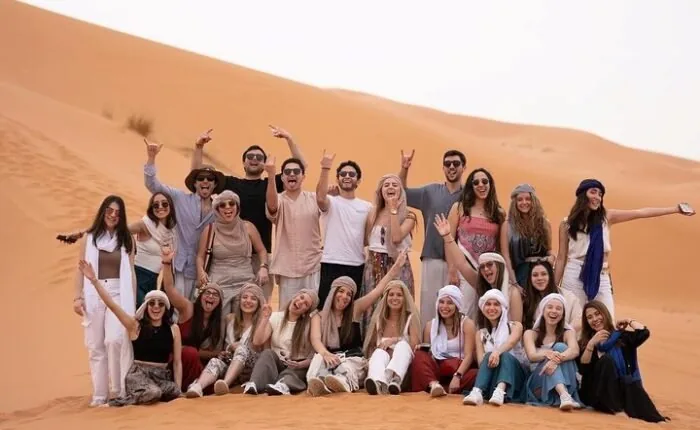
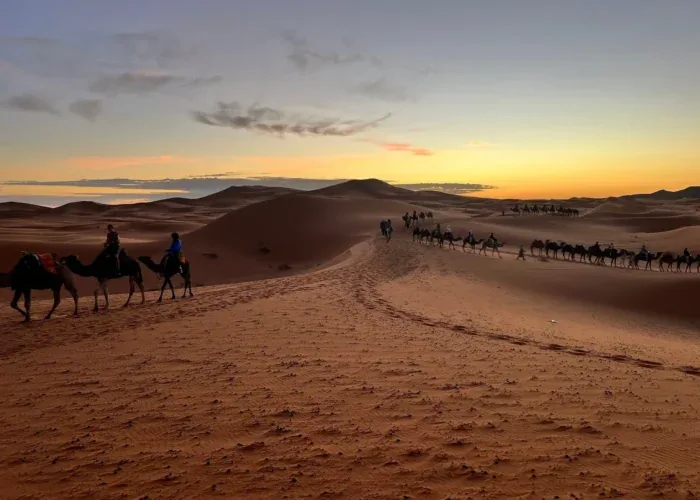
A desert tour can include a city departure, a mountain crossing, hours in a vehicle and an overnight near the dunes. Pack for that whole sequence rather than for a single photograph of a sunny camp. The Moroccan National Tourist Office advises proper equipment and suitable shoes for desert outings. The CDC's Morocco travel guidance also recommends sun protection, water, appropriate clothing and a basic first-aid kit for outdoor plans.
General packing checklist
General items worth considering for your own bag:
- Comfortable walking shoes with secure soles, plus socks suitable for sand and road stops.
- A sun hat, sunglasses and broad-spectrum sunscreen for exposed daytime activities.
- A refillable water bottle and any personal medicines in their original packaging.
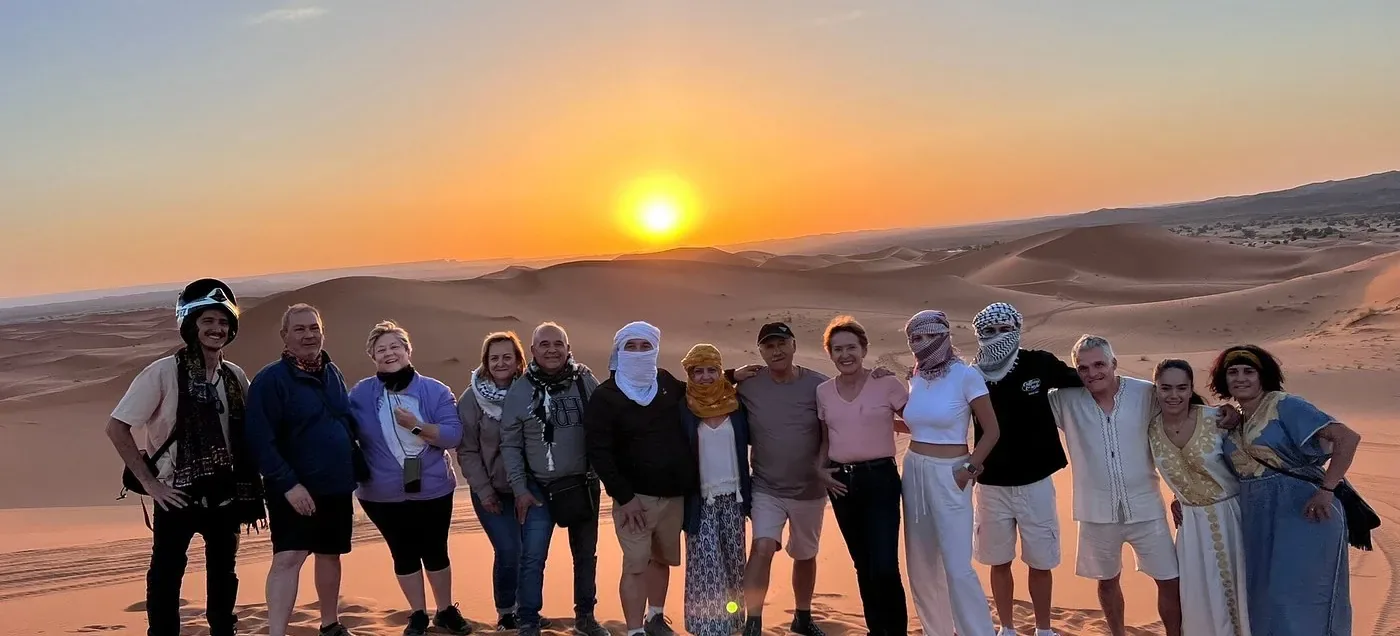
- Light, breathable clothing that covers skin, plus an extra layer for cooler hours.
- A small personal first-aid kit, phone charging cable and a way to protect electronics from dust.
Adjust the list for your season and route
Morocco's climate changes by region. The coast, inland cities, Atlas routes and Sahara should not be treated as one weather zone. Southern daytime summer heat can be severe, while mountain winter conditions can be cold or snowy. The best packing choice depends on where the road trip starts, where it ends and the specific forecast, not only the word 'desert' in a tour title.
| If your trip includes | Consider adding | Check before departure |
|---|---|---|
| Hot, exposed hours | Extra sun-covering layers and enough drinking water for the outing. | Forecast, activity pace and where water can be obtained. |
| Cooler evenings or early departures | A warm layer and closed shoes. | Forecast and the warmth provided by your actual accommodation. |
| An Atlas crossing | An easily reached layer rather than clothing packed deep in a suitcase. | Mountain weather and official advisories. |
| A camp night | A small overnight bag and personal toiletries. | Luggage transfer, bedding, bathroom and charging arrangements. |
Separate what you need at camp
An overnight bag is useful when the camp transfer does not involve your main suitcase, but the arrangement differs by tour and camp. Put essentials you would need without your larger luggage in a small bag: medicines, glasses, toiletries, a warm layer and your charging cable. Keep travel documents secure in whatever bag remains with you. Ask where larger luggage stays and whether someone carries the overnight bag; do not assume a specific company policy from this general advice.
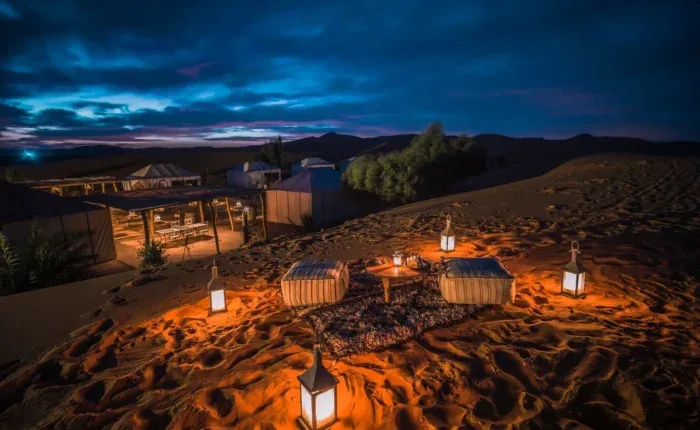
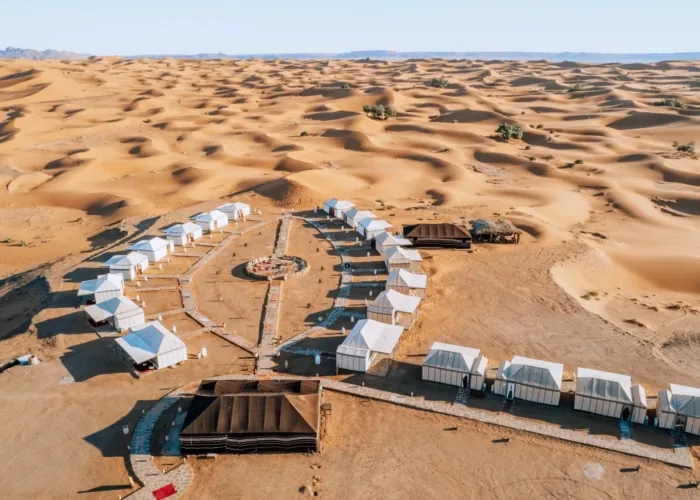
Before leaving your vehicle, check what the camp actually supplies. Toiletries, towels, bedding, electrical outlets and heating or cooling are property-specific details. A camp category name alone does not tell you whether a private bathroom or charging point is included. If an item is essential to you, request a written answer for your chosen stay.
Think about sun, hydration and comfort
The CDC notes that sunlight reflected from sand can increase exposure and recommends protective clothing, sunscreen and regular hydration during hot outdoor activity. A brimmed hat and sunglasses are useful even when the air feels comfortable. Follow the directions on your own sunscreen and medicines. If you have a medical condition or are planning strenuous activity, seek personal advice from a qualified clinician before travel rather than relying on a generic checklist.
Dust and sand can be inconvenient for cameras and phones. A simple protective pouch or sealable bag may help, and a small light can be useful after dark. These are optional traveler choices, not a statement that a camp lacks lighting or electricity. Bring any essential device you rely on fully charged, and confirm charging access in advance.
Confirm the arrangements that affect packing
Ask about your specific itinerary before you finish packing:
- Which nights are in a hotel, riad or desert camp?
- How do guests and overnight bags reach the camp?
- What bedding, towels, toiletries and charging options are provided?
- Is heating or cooling available in the reserved room for your travel dates?
- Are there weather-sensitive activities or special clothing needs on your route?
Check the Moroccan meteorological service's current forecast and warnings shortly before departure. Reassess layers and sun protection for the actual conditions. This checklist covers general travel preparation; the confirmed proposal is the source for Moroccan Desert Tours' luggage arrangements and camp facilities.